Reliable nitrogen generation for breweries: Joseph Holt case study
Summary
Client: Joseph Holt Brewery
Location: Manchester, UK
Engineering partner: ALS Industrial Services
Technology: Parker NITROSource PSA (dual-purity)
Payback: 3 to 4 years
About the customer
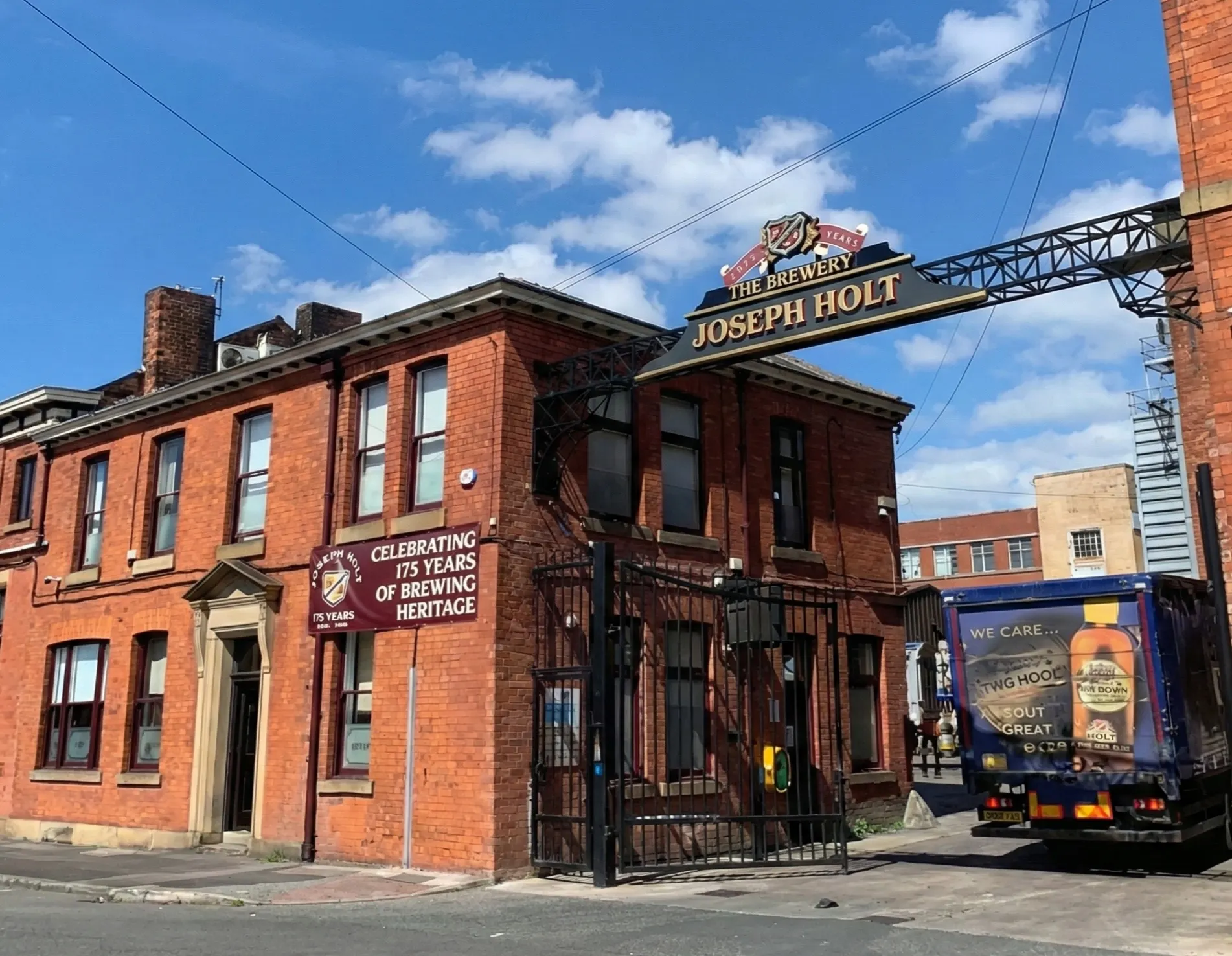
Joseph Holt is an independent, family-owned brewery based in Manchester. Founded in 1849 and brewing at its Empire Street premises since 1860, the company employs 15 production staff who draw on more than 175 years of expertise to produce award-winning draught and bottled beers.

The site houses three mash tuns and three coppers, giving it a daily capacity of up to 500 barrels. As well as supplying its own estate of 128 pubs, Joseph Holt sells beer to hundreds of free-trade accounts across the region.
The challenge
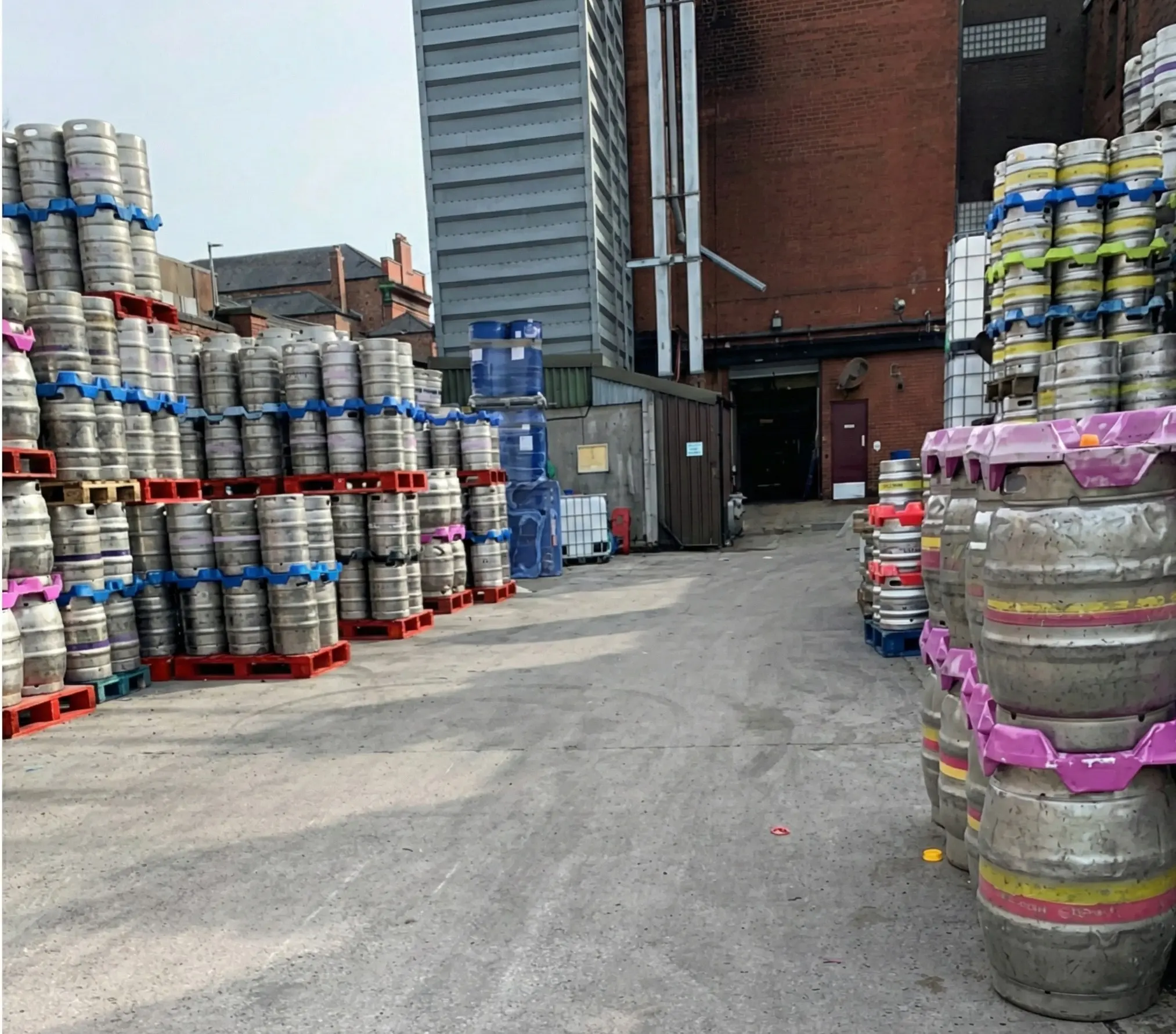
Before the new system, Joseph Holt purchased bulk liquid nitrogen and CO2 for a range of production tasks, including:
- emptying bright beer vessels and purging kegs to 2 barg
- feeding an Alfa Laval nitrogenation unit for stout, mild and smooth bitter
- supplying a de-aeration water plant
- general blanketing and purging to exclude ambient oxygen
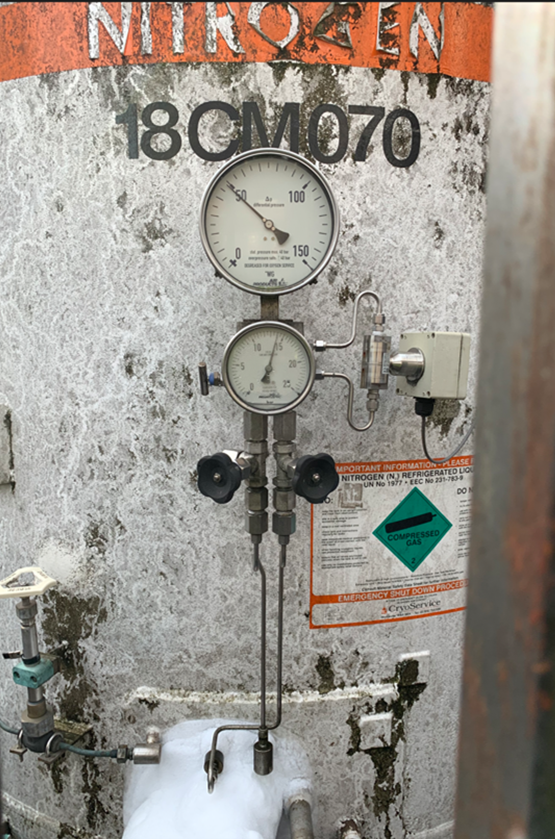
Rising energy-linked gas prices, expensive CO2 and the logistical burden of bulk deliveries created pressure to cut expenditure without compromising beer quality, taste or affordability. The brewery also needed standby capacity for resilience, room for future growth and a demonstrable reduction in environmental impact.
Critically, any replacement gas had to maintain strict dissolved oxygen limits in the finished product. Oxygen pick-up causes oxidation and spoilage, so there was no room for compromise on purity.
The impact
Before (bulk supply)
- high annual gas expenditure
- dependent on supplier delivery schedules
- risk of supply interruptions
- limited control over gas purity
- ongoing delivery logistics burden
- higher carbon footprint
After (Parker NITROSource)
- 60 to 70% reduction in gas costs
- on-site generation around the clock
- dual-purity standby system (50% capacity)
- consistent EU food-grade purity (10 ppm)
- no reliance on external deliveries
- lower carbon footprint
The ALS solution: nitrogen generation for breweries
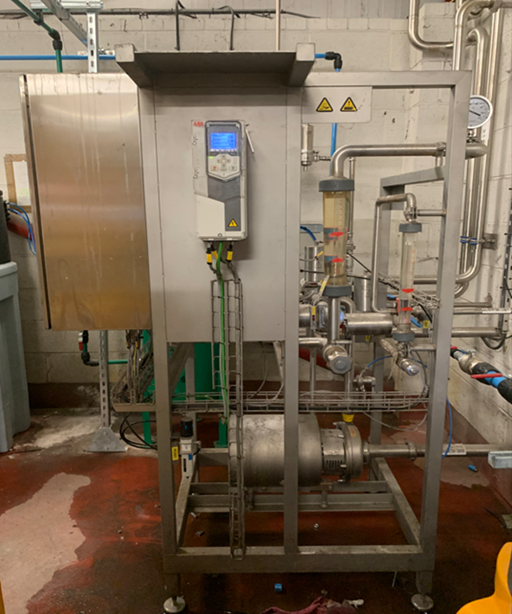
ALS Industrial Services was appointed as the engineering and services partner. Working with Lloyd Rees, Second Brewer, ALS scoped, designed and delivered a complete turnkey nitrogen generation package using Parker NITROSource generators, from compressor and pre-treatment through to pipework and point-of-use filters.
Dual-bank configuration
ALS conducted a detailed consumption analysis and established that two nitrogen purity grades were required. General duties such as vessel blanketing and keg purging could be satisfied with nitrogen containing up to 0.5% residual oxygen. Nitrogenation and de-aeration demanded ultra-high-purity gas at around 10 ppm oxygen to protect the very low dissolved oxygen limits essential for beer quality.
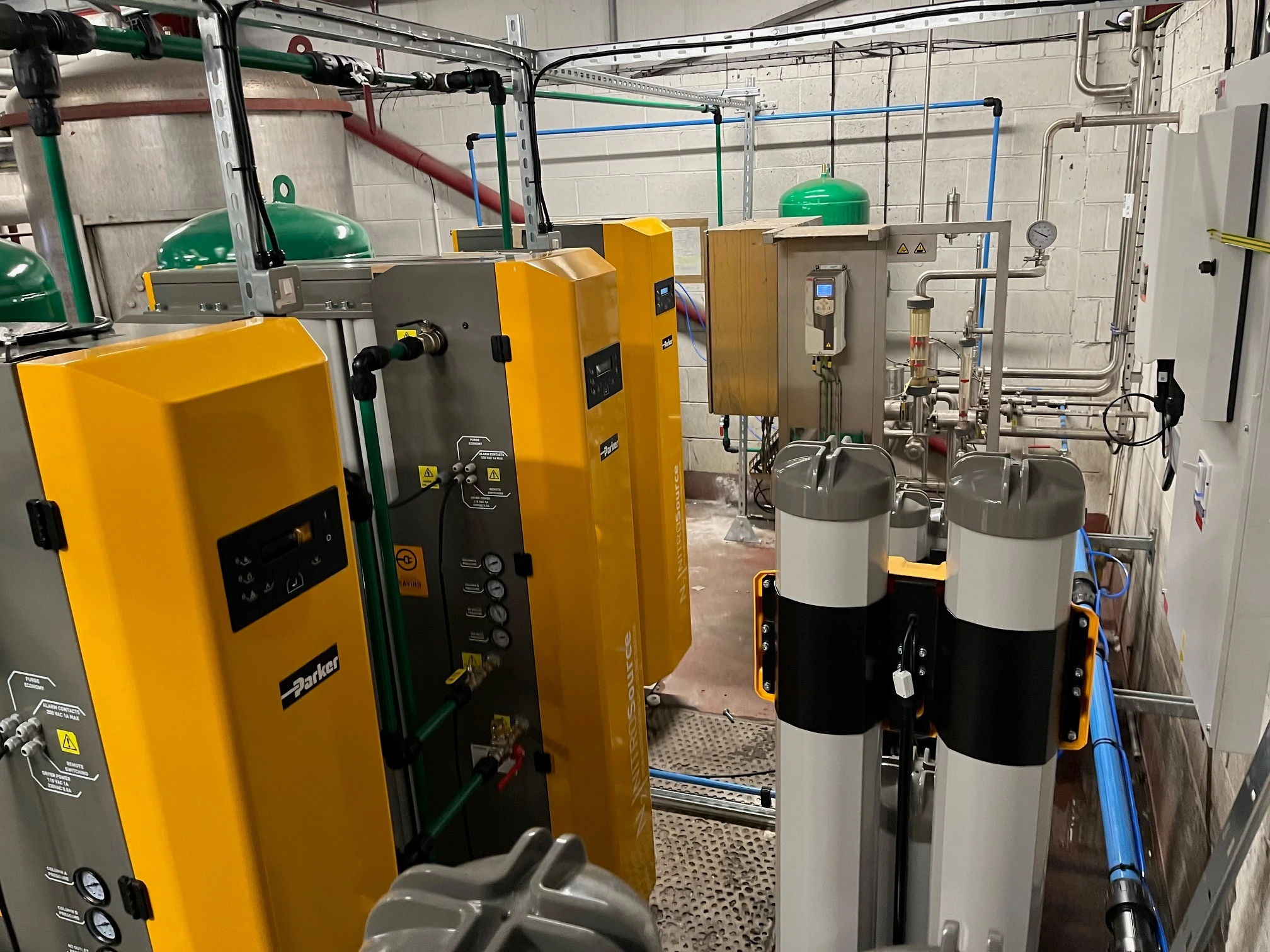
To meet both requirements efficiently, ALS engineered a dual-bank Parker NITROSource plant. One bank supplies 0.5% purity nitrogen for routine applications; a separate bank produces 10 ppm nitrogen for the most demanding processes. This configuration allows the brewery to match energy and purity to each task, avoiding the inefficiency of over-specifying gas for simple purging work.
Why Parker NITROSource?
ALS selected Parker NITROSource generators for their proven performance in food and beverage applications and their energy efficiency. The units use pressure swing adsorption (PSA) technology with a carbon molecular sieve (CMS) to separate nitrogen from compressed air. Parker’s Energy Saving Technology (EST) adjusts cycle times based on actual demand, reducing compressed air consumption by up to 25 to 30% compared with traditional fixed-cycle generators. This translates directly to lower energy costs and faster payback.
Each unit integrates a continuous oxygen analyser that monitors purity in real time, displaying the result in parts per million or percentage. This integral sensor provides complete traceability for food-grade compliance under EU Regulation 231/2012 and connects to remote monitoring systems, allowing ALS to track performance and plan preventative maintenance proactively. The CMS technology also delivers an exceptionally long service life, reducing the long-term maintenance burden.
Equipment supply and installation
Joseph Holt cleared out a storage space and provided an electrical supply. ALS then completed the installation, comprising self-contained generator modules with dedicated pre-treatment packages. The pre-treatment equipment removes oil, moisture and particulates from the compressed air feed, producing oil-free air meeting ISO 8573-1 Class 0 for oil content, essential for food-grade nitrogen generation.

ALS designed the installation with modular aluminium interconnecting pipework, engineered to minimise pressure drop and simplify future expansion. The compact footprint required no major civil works, keeping installation time and cost to a minimum.
Compressed air integration and standby capacity
To ensure supply resilience, ALS configured the system to operate from two compressed air sources. Under normal running, a new dedicated screw compressor (sized by ALS to match the brewery’s duty profile) feeds the plant. In the event of a compressor fault or during maintenance, one 0.5% purity bank can switch to the brewery’s existing 10 barg compressor, providing 50% capacity and removing the risk of losing all gas supply.

Commissioning and compliance
ALS managed full commissioning, including purity verification, flow-rate validation and integration with the brewery’s control systems. The nitrogen output is independently certified to meet EU Regulation 231/2012 for food-grade gas (E941).
The system includes a continuous oxygen analyser with data-logging outputs for full traceability. Remote monitoring capability allows off-site review of performance and proactive service planning.
ALS also produced the piping and instrumentation diagram (P&ID) for the installation, arranged for the Written Scheme of Examination (WSE) and coordinated the first inspection required under the Pressure Systems Safety Regulations (PSSR).
Service and support
The system is covered by ALS’s preventative maintenance programme, with a minimum of two service visits per year. Visits include filter inspections, analyser calibration checks and overall performance verification. ALS also provides breakdown cover and technical support.
Results
After six months of operation, the system has delivered measurable improvements across performance, cost and resilience.
Customer testimonial
‘The Parker NITROSource system has transformed how we manage gas supply. We’ve eliminated the complexity of coordinating bulk deliveries, and the cost savings, around 60 to 70% just as ALS predicted, have been significant. What’s impressed me most is the reliability. We’ve got 24/7 supply now, and the purity is consistently excellent. Our product quality hasn’t changed; if anything, it’s more consistent. The system was straightforward to commission, and ALS’s technical team has been responsive and professional throughout.’
Lloyd Rees, Second Brewer, Joseph Holt Brewery (after six months of operation)
Industry insight
Nitrogen and CO2 each play distinct roles in modern breweries. CO2 is essential for carbonation and mouthfeel, but it’s increasingly expensive, and supply can be volatile. Nitrogen is less soluble, less reactive and cheaper to generate on site, making it well suited to purging, blanketing and pressurisation tasks that require only an oxygen barrier.
On-site generation using PSA technology gives breweries direct control over gas quality, cost and availability. For many mid-sized breweries, payback periods fall within one to three years, depending on consumption and energy costs. Ongoing operational costs can be significantly lower than delivered gas prices. With delivered gas prices subject to market volatility, nitrogen generation is becoming a standard component of cost-effective, sustainable brewing operations.